Excavations form the backbone of almost every construction and infrastructure project in Wolverhampton, from residential basements to major transport upgrades. This category encompasses the full lifecycle of creating below-ground spaces: initial site investigation, geotechnical design, temporary works, execution, and ongoing monitoring. In an urban environment as layered as Wolverhampton's, where historic mining, variable drift geology, and aging utilities all intersect, a poorly planned excavation can lead to ground collapse, structural damage to neighbouring buildings, and significant safety risks. The solutions grouped here address these challenges through rigorous engineering, ensuring that every cut into the ground is understood, designed, and controlled.
Wolverhampton's underlying geology is a direct legacy of its industrial past and its position on the South Staffordshire Coalfield. Much of the city is underlain by Carboniferous Coal Measures, interbedded with sandstones, siltstones, and historically worked coal seams. Overlying this solid geology are Quaternary glacial tills, sands, and gravels, which create highly variable ground conditions across short distances. The presence of unrecorded mine workings, backfilled pits, and natural solution features in the underlying limestone adds a layer of complexity that makes desk-study and intrusive ground investigation absolutely essential before any excavation begins. Soft, water-bearing alluvial deposits along the River Tame and its tributaries further complicate deep digs in parts of the city centre.
All excavation work in Wolverhampton must comply with the UK's robust geotechnical and safety framework. The core standard is Eurocode 7 (BS EN 1997): Geotechnical Design, which mandates a limit-state approach to design, considering both ultimate and serviceability conditions. Crucially, the Construction (Design and Management) Regulations 2015 (CDM 2015) place explicit duties on clients, designers, and contractors to manage excavation risk from concept to completion. For temporary works, BS 5975:2019 provides the procedural controls, requiring formal design checks and a designated Temporary Works Coordinator on most projects. Compliance with these standards is not optional; it is the legal baseline that protects workers and the public during intrusive groundworks.
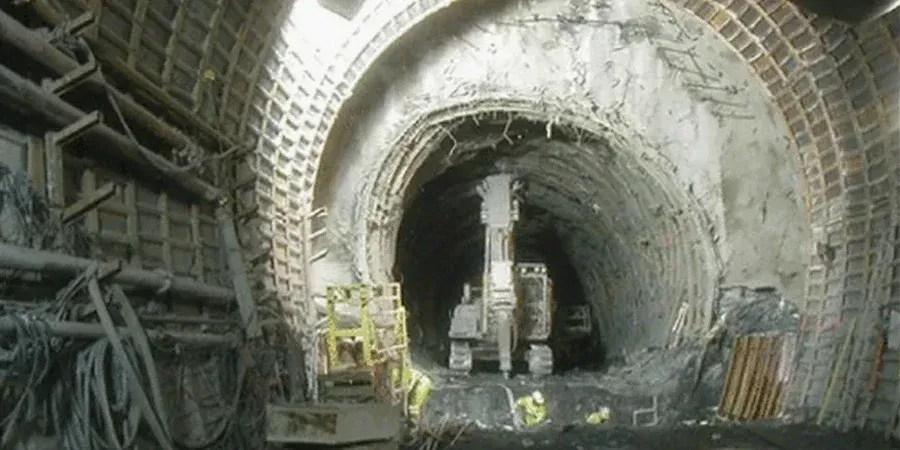
The types of projects requiring specialist excavation expertise in Wolverhampton are diverse. The ongoing West Midlands Metro extensions involve cut-and-cover tunnels and deep station boxes that demand precise geotechnical design of deep excavations to manage ground movement near sensitive structures. Urban regeneration schemes, such as those on brownfield sites in the Canalside Quarter, frequently require bulk earthworks and basement construction monitored through geotechnical excavation monitoring to protect adjacent canal infrastructure. For utility diversions and tunnelling beneath existing roads, geotechnical analysis for soft soil tunnels is critical to prevent settlement. Even smaller domestic extensions near old mine entries trigger the need for methodical excavation appraisal and support design.
Common questions
What are the key geotechnical risks when excavating in Wolverhampton's historic mining areas?
The primary risk is encountering unrecorded shallow mine workings or poorly backfilled shafts, which can collapse suddenly, creating crown holes at the surface. The Coal Authority's mining reports are essential but may not capture all features. Variable rockhead, water ingress through fractured coal measures, and the potential for mine gas migration also require careful assessment through targeted boreholes and non-destructive geophysics before any excavation design is finalised.
How do CDM 2015 regulations specifically affect excavation projects?
CDM 2015 places a legal duty to eliminate or control foreseeable risks during excavation works. The Principal Designer must integrate geotechnical risk into the pre-construction information, and the Principal Contractor must develop a detailed excavation safety plan. This includes defining exclusion zones, ensuring trench support is designed and inspected, and preventing burial or engulfment. The Health and Safety Executive actively enforces these standards on UK construction sites.
Why is detailed ground investigation essential before a deep excavation in Wolverhampton?
The city's complex glacial and post-glacial drift deposits create highly variable ground conditions, with soft alluvial clays, loose sands, and boulder clays often found within the same site. A thorough ground investigation defines the engineering parameters needed for safe retaining wall design, dewatering strategy, and settlement predictions. Without it, designs rely on unsafe assumptions, leading to potential basal heave, excessive wall deflection, or flooding.
What is the typical process for managing an excavation near a sensitive existing structure?
The process begins with a condition survey and an impact assessment using advanced soil-structure interaction modelling, often employing the observational method. A robust geotechnical excavation monitoring plan is then implemented, using inclinometers, precise levelling points, and vibration monitors to track ground movement in real time. These readings are checked against predefined trigger values, allowing the construction team to adjust the support sequence or install compensation grouting before any damage occurs.
Location and service area
We serve projects across Wolverhampton and surrounding areas.