In the construction landscape of Wolverhampton, the category of Foundations represents the critical interface between any structure and the ground it stands upon. This discipline encompasses the design, specification, and execution of sub-structure elements that safely transfer building loads into the underlying soil and rock strata. The importance of robust foundation engineering in this West Midlands city cannot be overstated, as the region's complex post-industrial geology, coupled with a rich heritage of both historic and modern developments, demands tailored solutions. From residential extensions in Tettenhall to commercial redevelopments in the city centre, the stability, longevity, and insurability of a project hinge on getting the groundworks right first time.
Wolverhampton's geological profile is a direct legacy of its mining and manufacturing past, which introduces specific geotechnical challenges. Much of the area is underlain by the Middle and Upper Coal Measures of the Carboniferous period, comprising interbedded sandstones, mudstones, siltstones, and, crucially, coal seams. Overlying these solid strata are variable superficial deposits of glacial till, sand, and gravel, often concealing a history of shallow mine workings and undocumented backfilled quarries. This creates a ground environment where made ground is prevalent, and the risk of sudden collapse or long-term subsidence due to degrading mine pillars is a primary concern. Consequently, a thorough ground investigation is not merely a formality but an absolute prerequisite for any development, directly informing the choice between shallow and deep foundation types.
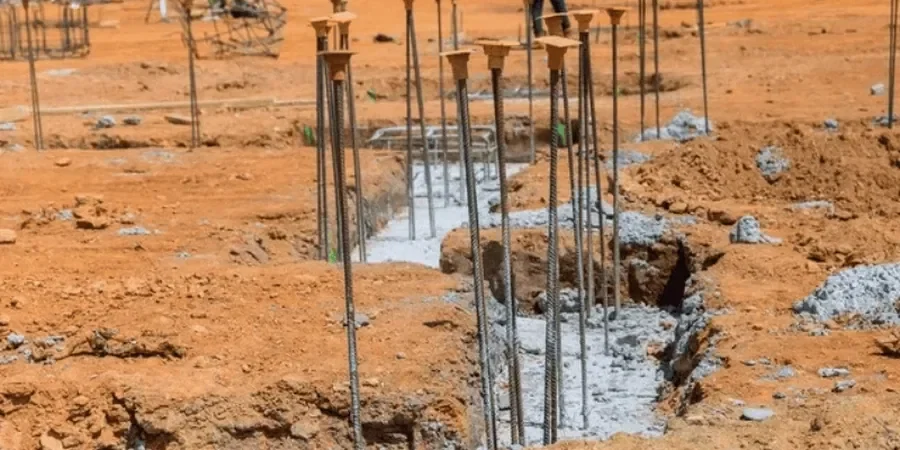
All foundation design and construction in Wolverhampton must strictly adhere to the robust framework of UK national standards and local authority requirements. The paramount documents are Eurocode 7 (BS EN 1997) for geotechnical design, which mandates a limit state design philosophy, and BS 8004, the code of practice for foundations. These are supplemented by BS 5930 for site investigation procedures and the NHBC Standards for new residential developments, which contain strict Chapter 4.2 requirements for building near trees on shrinkable clay soils, a common condition in the region. Furthermore, any project in a former mining area must satisfy a Coal Authority mining report, and the design must demonstrate it can mitigate the identified risks to secure building control approval from the City of Wolverhampton Council.
The breadth of projects requiring specialist foundation input is vast, ranging from delicate underpinning of Victorian terraces to heavy-duty industrial facilities. For a straightforward single-storey extension on competent glacial till, a traditional strip or trench-fill footing might suffice. However, the more demanding ground conditions typical of the city often necessitate advanced techniques. Multi-storey apartment blocks in the city centre, for instance, frequently require pile foundation design to bypass weak alluvial deposits or to span over known mine shafts. Similarly, the conversion of former factory sites into new housing estates almost invariably involves a combination of ground remediation and deep piles to supply a stable, certified platform. Even domestic projects can require engineered solutions like reinforced raft foundations or mini-piles where trees have desiccated the underlying clay, ensuring the home remains free from structural cracking.
Available services
Common questions
What is the most critical factor in choosing a foundation type for a Wolverhampton site?
The paramount factor is the site's ground investigation report, which reveals the specific geology and risks. In Wolverhampton, the presence of historical coal mine workings, varying depths of made ground, and shrinkable clay potential dictate the choice. A design that ignores these locally prevalent hazards, especially the Coal Authority's assessment, is unlikely to meet building regulations or lender requirements for structural warranties.
How do UK building regulations affect my foundation design in Wolverhampton?
Your design must comply with Building Regulations Part A (Structure), which mandates that foundations safely transmit loads. This is achieved by following British Standards BS EN 1997 and BS 8004. For homes, the NHBC Standards are critical, especially rules on founding depth near trees. The City of Wolverhampton Council's building control will require evidence of compliance, including a Coal Authority report if in a development high-risk area.
Why is a site investigation essential before any foundation work begins?
A site investigation is a non-negotiable, factual prerequisite that de-risks the entire project. It characterises the ground's strength, identifies hazards like buried obstructions or mine shafts, and determines groundwater levels. In Wolverhampton's post-industrial landscape, proceeding without one is a high-stakes gamble that can lead to catastrophic foundation failure, invalidated insurance, and significant rectification costs far exceeding the initial investigation budget.
Are deep foundations always required for building on land with a mining history in the area?
Not always, but they are a common and reliable solution. The necessity depends on the specific risk identified in the mining report and ground investigation. If shallow, unrecorded workings are proven at depth, a reinforced raft might be acceptable for light loads. However, for heavier structures or where high-risk features like shafts exist, deep pile foundations are typically specified to transfer loads to a stable stratum well below any potential collapse zone.
Location and service area
We serve projects across Wolverhampton and surrounding areas.