Wolverhampton sits on Triassic sandstones and conglomerates of the Sherwood Sandstone Group, often overlain by glacial till and alluvial deposits near the Smestow Brook and River Penk corridors. These shallow drift layers can vary from stiff sandy clay to loose silty sand within a few metres laterally, which makes exploratory test pits a practical first move before committing to deeper boreholes. A well-located test pit lets the engineering team log the soil profile by direct observation, take undisturbed block samples, and assess groundwater ingress at shallow depth. In brownfield sites around Bilston or Wednesfield, where historical fill is common, the visual record from a pit is often more revealing than a borehole log alone. We routinely pair pit inspections with in-situ permeability testing when drainage design depends on infiltration rates measured in the exposed soil face.
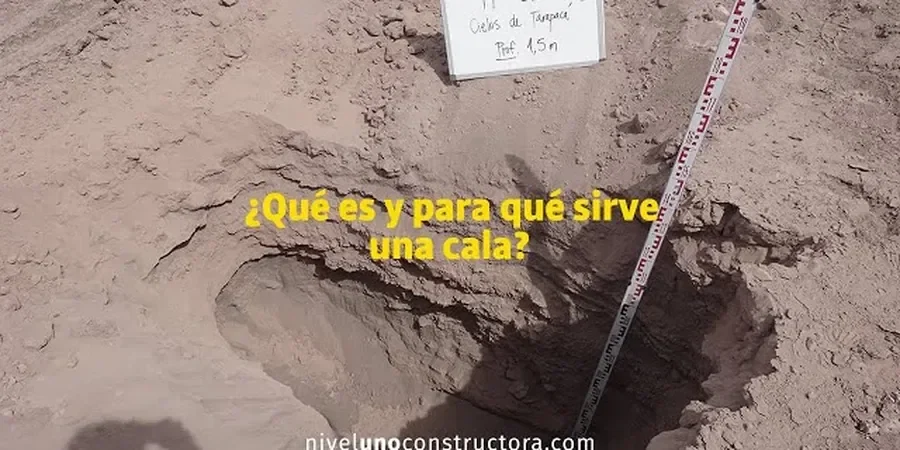
A test pit gives you a wall of soil to read, not just a core, and in Wolverhampton's variable drift that visual context changes decisions.
Method and coverage
Regional considerations
Ground conditions in the city centre and around Heath Town often sit on dense glacial till that stands up well in a trench, while lower ground near Compton or Tettenhall can transition into softer alluvial silts where pit walls need closer support. Skipping a test pit in the latter means missing weak lenses that a borehole might smear past, and that leads to conservative over-design or unexpected settlement later. The main risk is localised collapse if the pit cuts through running sand below the water table, which is why our team checks for artesian conditions before breaking ground and keeps shoring equipment on standby. In areas with historical mining, the pit also serves as a window to check for shallow abandoned workings or backfilled shafts that desk studies sometimes overlook.
Standards that apply
BS 5930:2015 + A1:2020, Eurocode 7: BS EN 1997-2:2007, BS EN ISO 14688-1:2018, BS 8002:2015 (earth retaining)
Related services
Machine-excavated trial pits
Tracked excavator pits to 3.5 m depth with stepped safe-entry profile, logged to BS 5930 with photographic panel and in-situ strength index tests.
Hand-dug inspection pits
Shallow pits up to 1.2 m for service location verification or tree-root inspection in landscaped areas where machine access is restricted.
Combined pit and permeability testing
Pit excavation followed by falling-head or constant-head tests in the exposed soil for BRE Digest 365 soakaway design in Wolverhampton's clay-rich till.
Typical parameters
Top questions
How much does an exploratory test pit cost in Wolverhampton?
A standard machine-dug test pit in Wolverhampton, including utility clearance, excavation, engineering logging, sampling and backfill, typically runs from £360 to £730 depending on depth, access and the number of samples taken. Additional costs apply if shoring, groundwater monitoring or permeability testing is specified.
What depth can a test pit reach safely?
In the cohesive glacial till common across Wolverhampton, we routinely reach 3.5 to 4.0 metres with a stepped bench. If the pit encounters running sand or groundwater, depth is limited by stability and we switch to a CPT or borehole to extend the investigation.
Do I need a test pit or a borehole for a house extension?
For a single-storey extension on a Wolverhampton residential plot, a test pit often provides enough information if the foundation depth is within 1.5 metres. The engineer can see the bearing stratum directly and take samples for plasticity testing. If the ground is soft or the load is heavier, we recommend adding a borehole.
What samples can you take from a test pit?
Block samples cut from the pit face give the best undisturbed material for triaxial or oedometer tests. We also take bulk disturbed samples for classification, U100 tubes driven from the pit base, and bag samples for chemical testing if contamination is suspected.